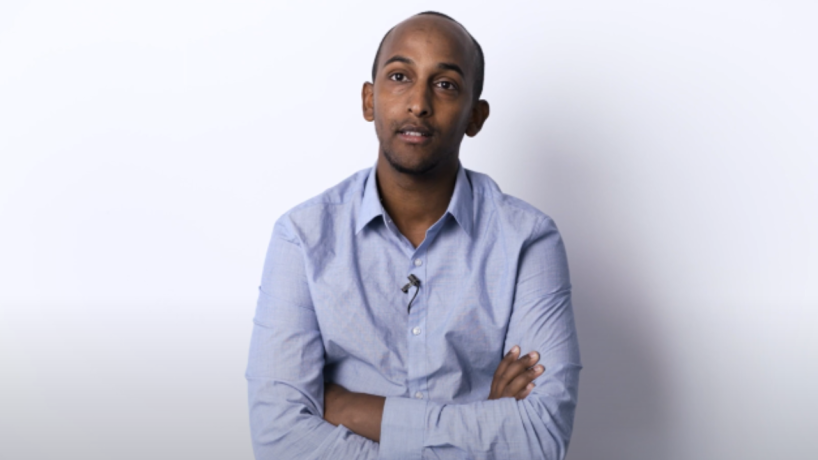
Living between many lands
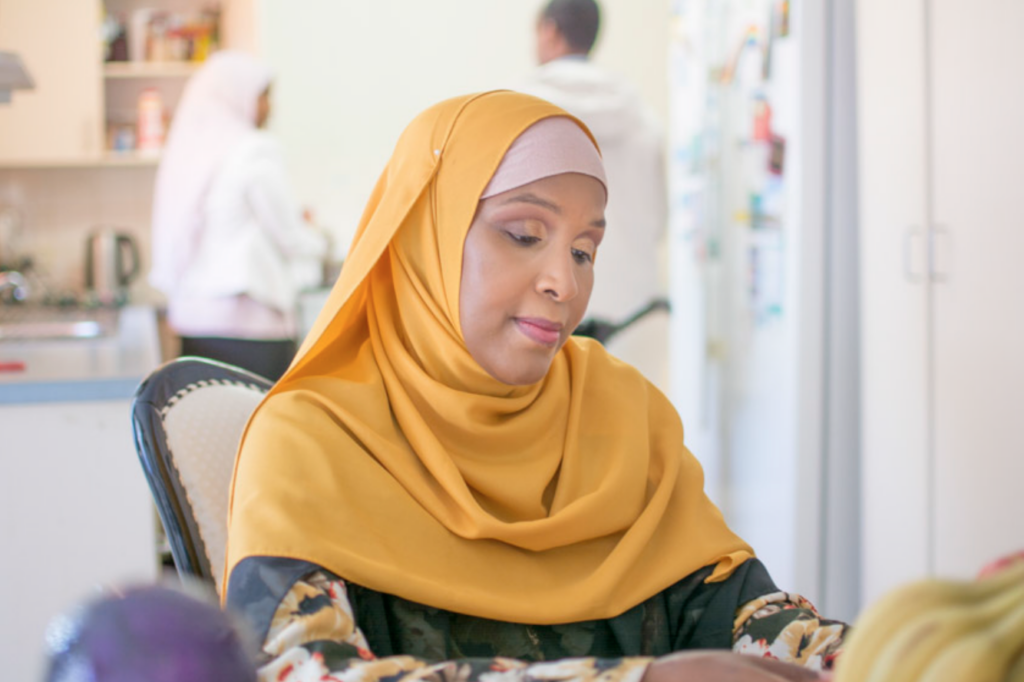
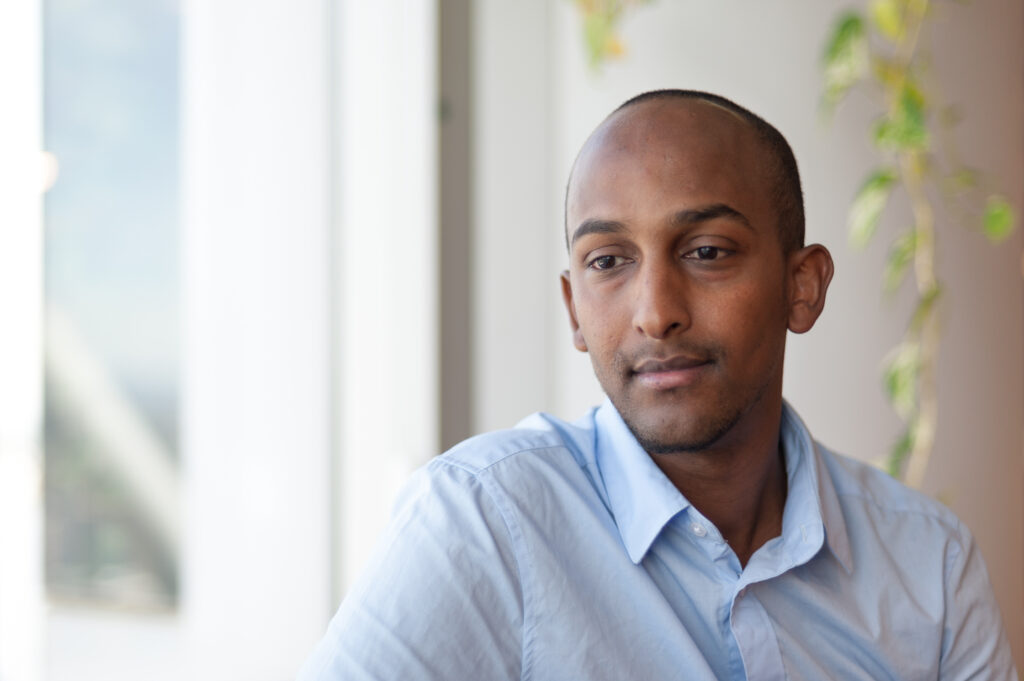
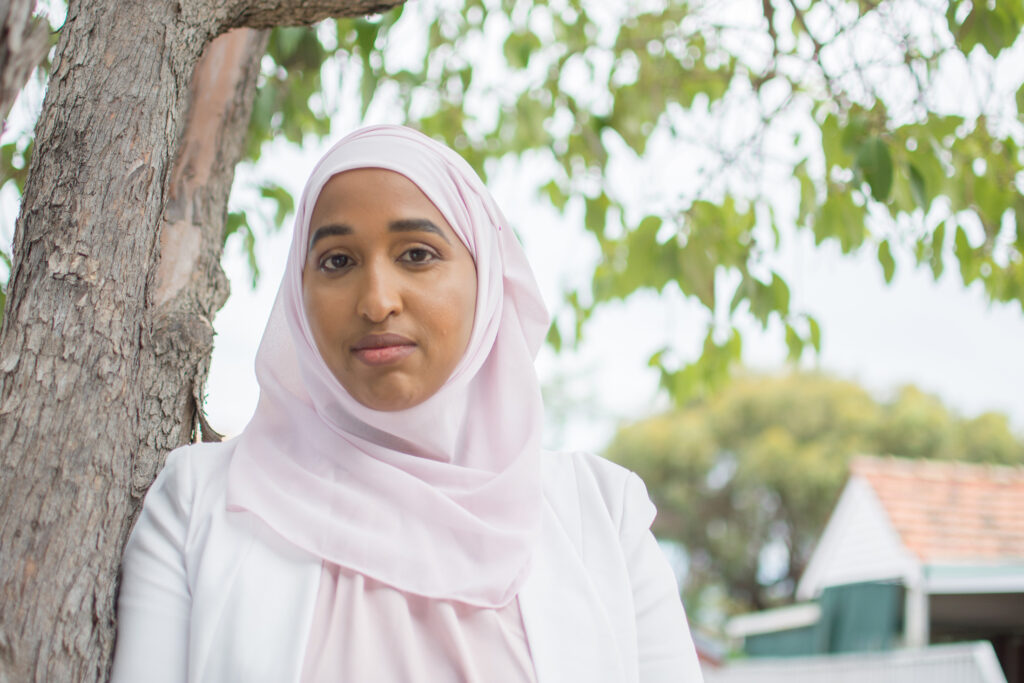 Khadra: Our Dad raised our family by himself for a very long time. We lost our Mum when we were very young and he took a long time to remarry. We moved to New Zealand to escape the Somali civil war in the early 1990s.
We lived in a bubble in New Zealand. A little land, where we did not have cultural or religious conflicts. We knew what we were, we were strong in our identity as Somali Muslims. But we lived in harmony with our neighbours. It was a peaceful life.
Abdi: While Khadra and Luul were living here [in Australia], I was working as a manager of a supermarket chain in Christchurch for 12 years. Life was pretty normal: going to work, coming home, sleeping, watching YouTube videos. That was just pretty much just the normal day-to-day.
Life was busy because of work and I was even too busy to come visit as often as they would have liked me too – but that was my normal. We took turns visiting each other every alternate year, and as a family, we’ve spent a lot of time between Australia and New Zealand.
Khadra: My husband decided to come to Perth when he got a good job. That was hard for me because the only memory I have other than Africa was New Zealand. I was new to this country at only 18 years old. I had two babies. I didn’t have family here. And while I had met some of the Somali community, we lived very far away from them. I was completely alone and scared and unsure of how things worked here.
The first time I went out on my own in Australia, I was heading towards the State Library with my two kids: then a baby and a toddler. There was this guy who was about 50 years old who pushed my pram and started yelling at me: “Why are you here? This place is not for you. Go back!”
Back home in Africa, everyone who is about 10 years or older than you is automatically your aunty or uncle. Whether they are your blood relative or a complete stranger – you just respect them. And they respect you in the same way they would their nephews and nieces. I just froze. I was so lucky I had people surrounding me who jumped in to help me and my children. But I will never forget this incident.
Luul: One of the main reasons I followed Khadra to Australia was because of the Islamic schools here. New Zealand didn’t have any. I also needed a strong female figure in my life. Dad did as well as he could by himself but it was time I had a woman in my life to look up to. Moving was hard though – I wanted so much to go back, but I had no option. But starting at an Islamic school meant I got to meet people like myself. That’s when I found my first sense of community over here.
Khadra: Unlike Luul, who was able to go back to Christchurch more often, I hadn’t met Mucaad before. I remember I would say to him:
“I promise inshallah, God willing, I will come and see you this April holiday… It doesn’t matter. Even if we haven’t met for all those years. You are my favourite brother. Don’t worry. I’ll be there soon!”
The attack on the mosque
Khadra: I was in a professional development session with 300 other staff members when I first received the news. We were meant to be away for a full day. Everyone was asked to switch off their phones or make them silent – not even on vibrate. Everything was on the news by then but it was only when someone realised that there was an incident involving “Khadra’s siblings” that someone came and got me.
I was taken aside and told: “Khadra, I have some news for you. Unfortunately, there has been an incident that took place in New Zealand and your brother was shot. He is gone from this world. I am so sorry that it’s me that has to give you this bad news. I am really, really sorry, I am so sorry.”
I don’t know why I assumed the worst of my brothers. I think it was because of what was happening in the world at the time: I immediately assumed they were trying to tell me my brothers were killed by police for trying to do something silly.
I was in disbelief because I knew my brothers were educated enough and they’re not going to do anything like that. When I heard the words “shot” and “dead”, that was just where my mind went. I kept saying: “My brother is good. My brothers are good. My brothers are good.”
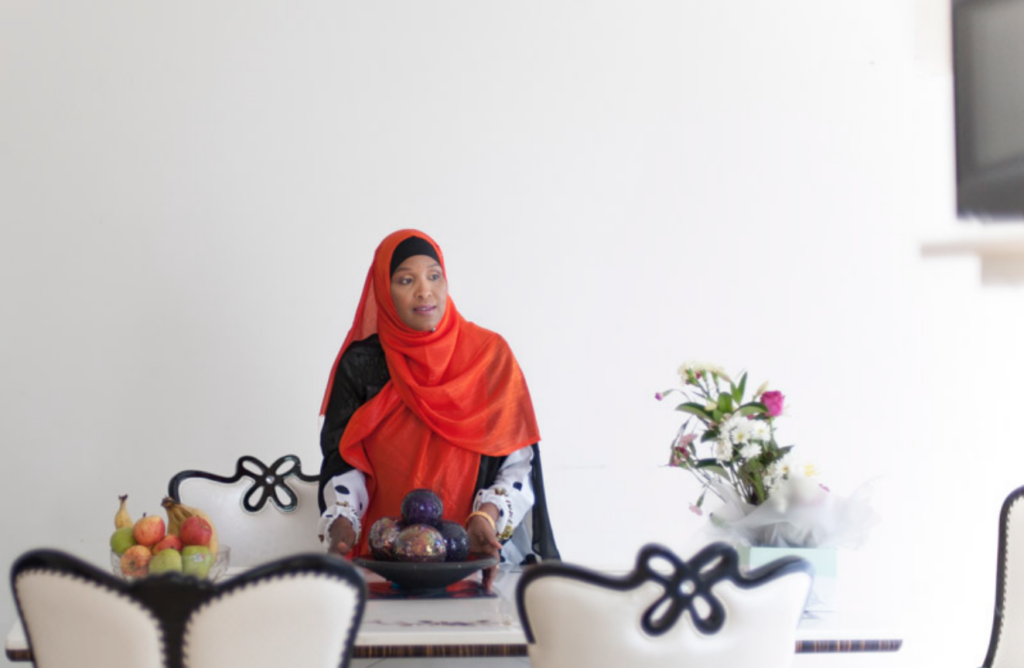
Luul: I was at Curtin University studying for exams. My phone was vibrating around about 10am but my lecture was still going so I wasn’t answering. I even turned my data off. And then after the lecture, I went to the library and put my data back on and my phone just exploded. And all I can hear are words like: “dead”, “shots”, “your brothers are killed.”
I’m just standing in the library. I did not have a place to cry. I had my mouth in my hands, just trying to be quiet. I didn’t have much information, just what you could see on social media. I opened my Facebook and I could see all these people speaking about the attack. I played the video of it and at first I thought it was just a game. I didn’t realize what I was actually watching.
Trying to get to information was the hardest part. No one’s telling you exactly what happened to your dead brother. And when they said “your brother”, I was thinking “which one? And what happened to the rest of our family?”
By the time I got home I was just shaking so much. I received what felt like hundreds of calls that day and I didn’t know how to answer the most common question: “how is your family?” All I knew was that I had six members in my family at the mosque that day, and one had gone to heaven. I only found out who after I came home.
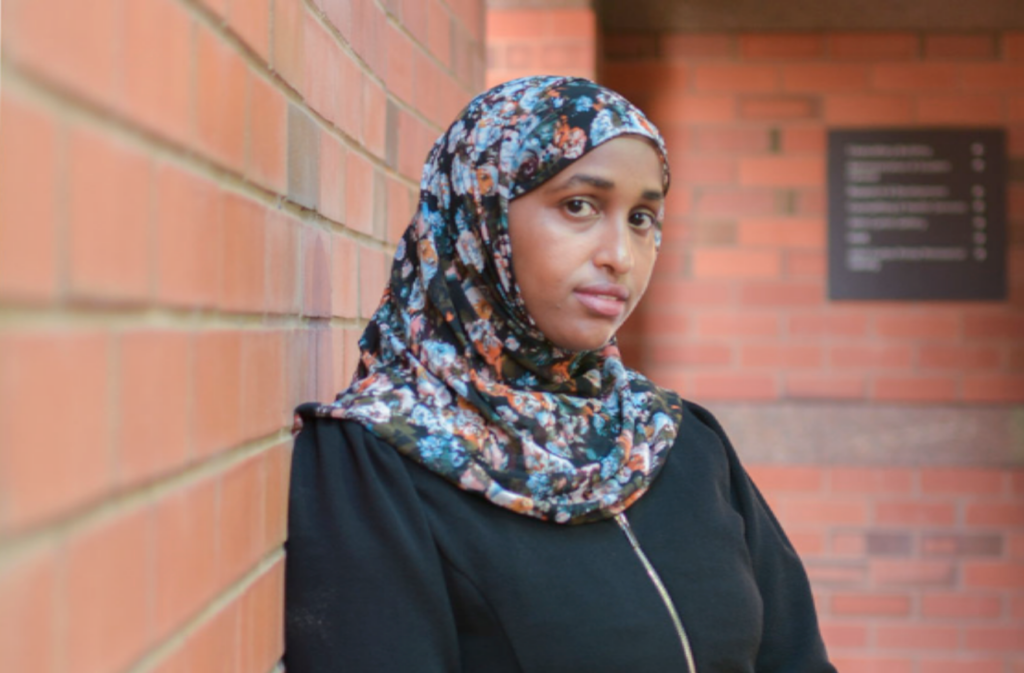
Abdi: When the shooting first started, at first I thought it was fireworks. Then once I realised it was a gun, I actually assumed it was coming from someone in the community. At the time, the community was already kind of divided. Another family member assumed it was the police that was coming to get us.
It’s not that we expected anything like this to come out of our community, even if there was conflict. We were just so blind to the possibility of real hatred existing towards us that we didn’t even consider the possibility that it was an outsider.
It was just chaos and confusion, even with the authorities. They were doing their best but there were so many rumours flying around about who exactly had passed, about how many gunmen there were, about who was doing this. As one officer put it: this wasn’t a normal car crash, it was an international crime scene – and everyone was fighting over the steering wheel.
All I know was that it was a miracle that I did not go back inside for my Dad and the boy. There were just so many people, with so much happening, and a lot of them didn’t realise how unsafe they actually were even when we made it outside.
You’re just trying to survive. And by not thinking about our own situations too hard, we can cope and help other people. No one knew what to do.

Chaos, then hope
Luul: I flew to Christchurch as soon as I could. I wanted to be there for the burial. I wanted to be there for the family. I wanted to be there for our community. A community meeting was called early on. The media was outside. Inside were hundreds of people: survivors and their families, community leaders, social workers, counsellors, doctors, lawyers etc. There were so many offerings but no real coordination or plan on how to get the help to those who needed it most.
There were the victims’ families who needed support and information. There were blame games happening yet no one had any evidence to base anything on. Nobody even knew exactly who passed away. It was just chaos. But people were doing their best. The community. The leaders. The government. No one knew what to do. This was just such a unique situation.
Khadra: While Luul was away, I had to play the role of being the strong one at home. Not just for my own family, but all seven of Luul’s kids. At the same time, I am hurting too. I need emotional support, physical support – “everything support.” But I needed to be here.
Dad is amazing. He has a special place in my heart. Maybe it was because I’m the eldest. Or maybe because he was both a single Mum and Dad to me for a long time. He has supported me during every challenge I ever had – even from afar. So it was my turn to do the same for him and my Stepmum: they are the ones who lost their baby and they were being so strong.
Dad was a qualified nurse back in Somalia. He was always working with communities, with people. He would do anything and everything for the injured. I was worried for him because he had already seen what death is, what injury is and what chaos is.
Once people stopped panicking, they really looked after us.
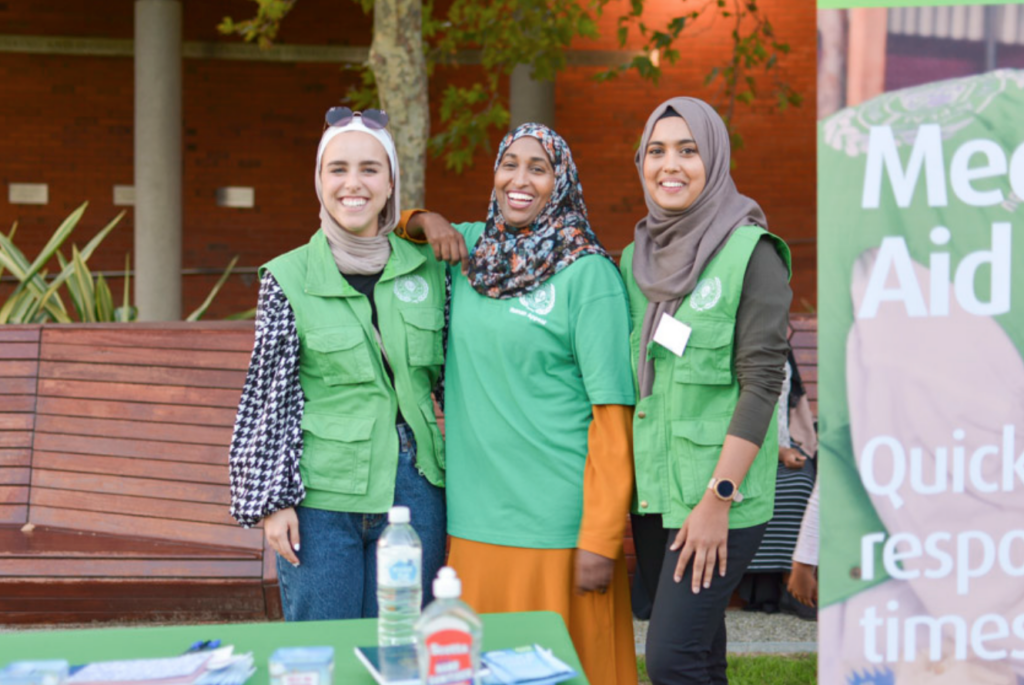
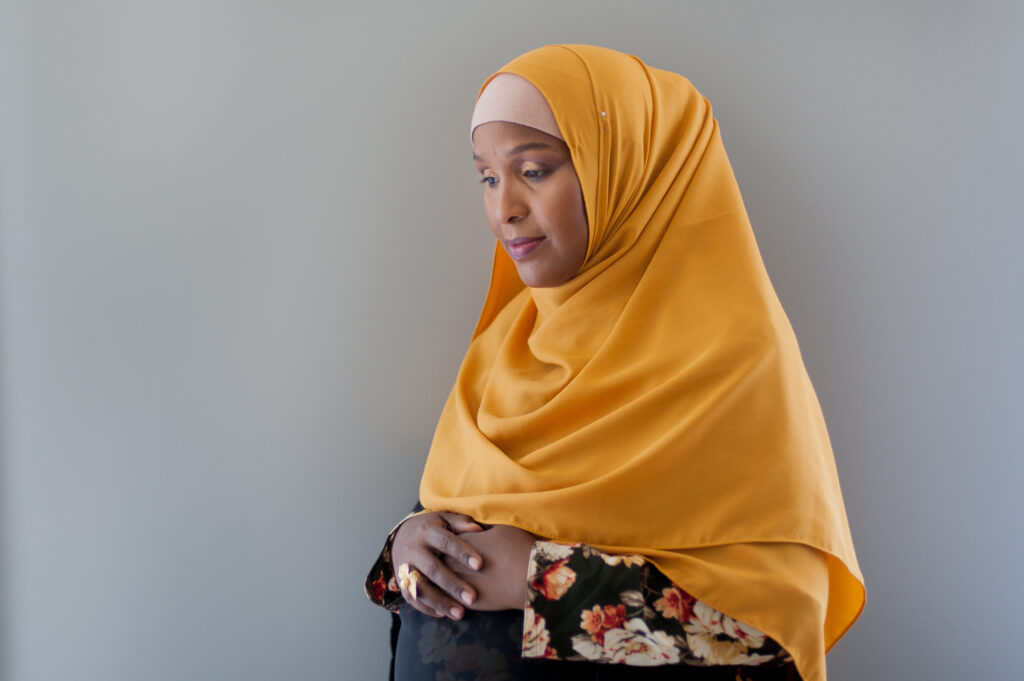
Luul: Once the initial panic and the shock wore off, people started to really look after us. Everyone: our neighbours, our friends, our colleagues, the broader Somali community – even complete strangers. We didn’t cook for weeks. It was amazing to come home to that. While nothing will ever take away the pain, it just meant we could focus on healing and moving forward.
Abdi: A few months after it all happened, I went to Thailand. Me, my brother and his best friend. I needed to see where I could go from there. I also went through Australia on my way back to New Zealand, and of the many times I’d been here, it was the first time I felt that I could stay.
I have had the opportunity to live here many times. Whenever I used to visit, my sisters would always try and convince me to stay. But this time was different and here we are. Maybe this wasn’t the worst place to be right now.
Faith as the compass
Khadra: After managing not to see his [the attacker’s] face, a friend sends me a news article: “how did this angelic face become a far-right killer?” It was so shocking to see. In that picture he would have been the same age as our baby. Who was also angelic. Who was also innocent. But who was gone.
That moment was also the first time I felt his family’s pain and sorrow too. No Mum, no Dad, no Grandparents raise their children in order to turn out that way. Yes, he was angelic, and he was an innocent. When you’re a baby, you have no choice. But now when you become mature, you have a choice.
At the end of the day, we are now enjoying the freedoms in a country he was born in. Freedom he will never have. Freedom we could have shared. But he made his choice.
Abdi: Even though justice is there now, part of us feels like we haven’t closed the chapter until we get to ask him one on one…“why did you do this?” But, on the other hand, in the face of challenges, I was brought up to ask “how” and not “why”. This all comes from our faith. This is what helps me move forward in whatever direction Allah wants me to move in.